How to Determine Wind Speed Using a Windsock
We never like starting the answer to a question like "How do you use a Windsock to measure wind speed" with "It Depends!" — however it really does. Here's our comprehensive guide based on CASA regulations and years of practical experience.
Topic
Wind Speed Measurement
Key Standard
CASA AC 91-02
Applies To
Aviation, Industrial, Mining
Read Time
~5 Minutes
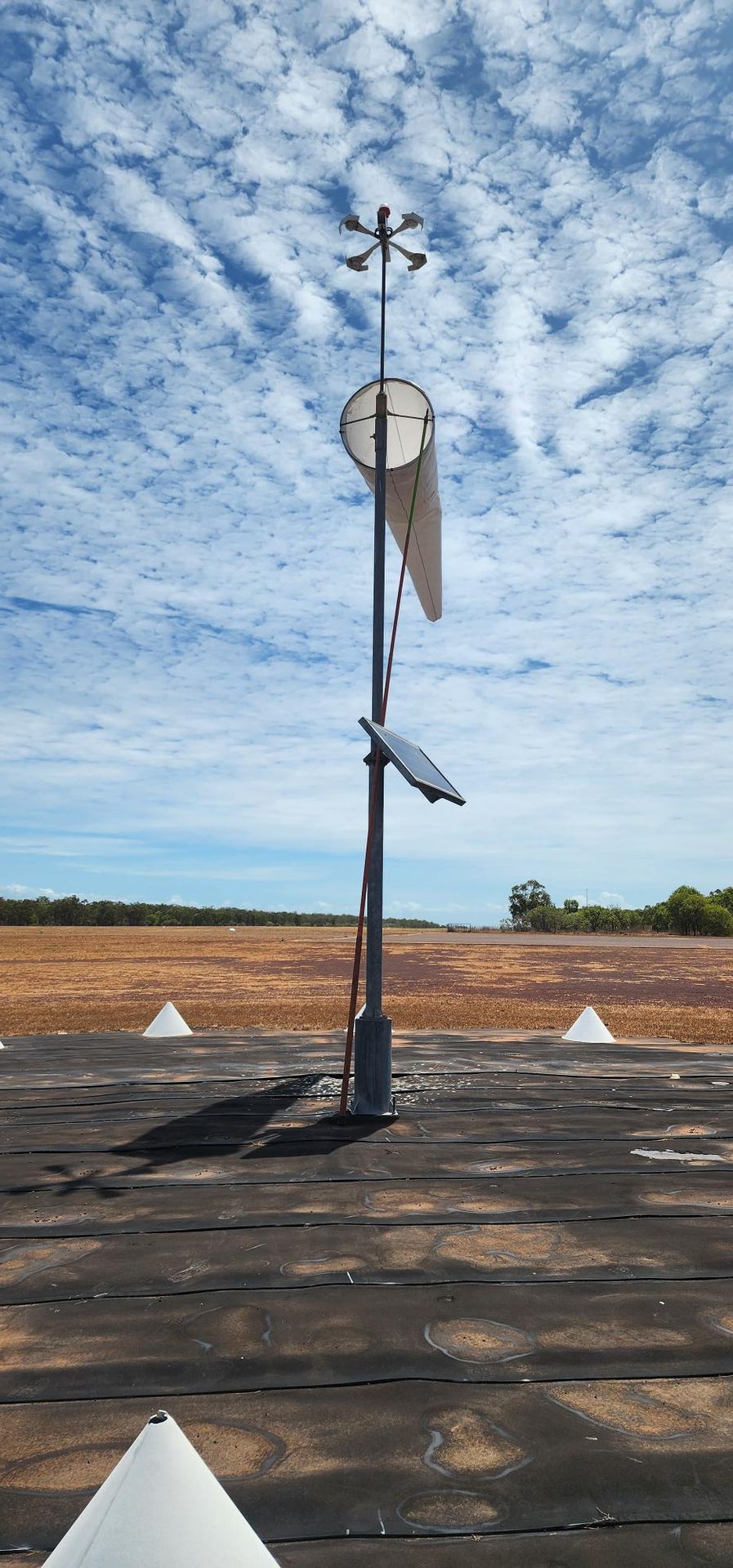
Wind Speed Basics
Windsocks provide an excellent indication of wind direction and a broad indication of wind speed. There is no universally standardised Windsock that precisely indicates wind speed however the following provides guidance based on our experience:
CASA (Civil Aviation Safety Authority) Regulations
Under CASA (AC 91-02) a Windsock:
CASA AC 91-02 Key Indicators
At a 45° angle to the horizon → approximately 15 knots (~28 km/hr)
When horizontal → approximately 25–30 knots (46–56 km/hr)

About Our CASA Aviation Grade Windsocks
It should be noted that the CASA Aviation Grade Windsocks we manufacture are very large (at 3.65m in length), contain a significant amount of material (almost 6.5 m2) and we also use heavier material (almost 300gr/m2), triple stitching and a reflective strip on the tail.
Practical Experience
Based on the above, and our experience:
Wind Direction Sensitivity — Even the slightest wind will move a Windsock (assuming it is properly mounted) and therefore indicate the wind direction.
smaller Windsocks (with less material weight) will be more responsive to windspeed and achieve their 45° angle and be horizontal at lower windspeeds that those shown above;
a Windsock that is horizontal (eg, in the CASA diagram above) shows you that the windspeed is at least 30 knots, but doesnt show you how much above 30 knots the true windspeed might be;

Critical Factors That Affect Windsock Performance
⚠ Condition is Critical
Windsocks that are worn or shredded do not provide accurate windspeed or even wind direction indications;
Obstructions Impact Performance — Trees or other obstructions, even if, say, 30m away, severely impact on the performance of Windsocks. We have done many experiments where the prevailing wind is 20 knots and the obstructed Windsock is hardly moving.
weather, humidity, moisture, and how dry the Windsock is will also have a large bearing on the Windsock performance on any given day.
Key Reminder
Obstructions just 30 metres away can cause a Windsock to barely move — even in 20-knot winds.
Calibrate the Windsock
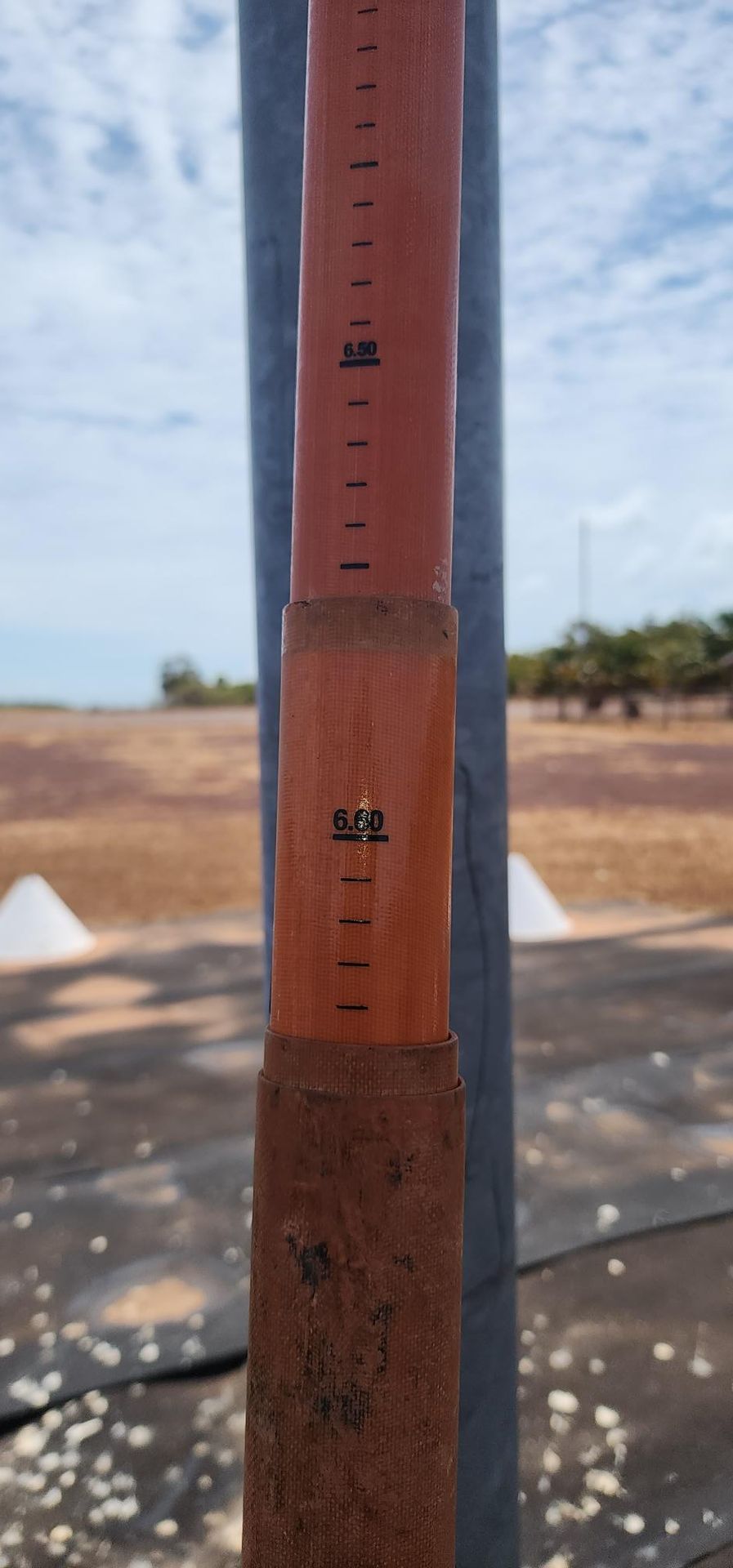
If determining windspeed is important to you then you will need to calibrate the Windsock using an Anemometer, Bureau of Meteorology data or other wind readings (from an airport for instance). It is possible to produce a more accurate Windsock response to varying windspeeds in a trial and error approach varying:
The International Experience
You can find on line references to striped "Airport Windsocks" that are calibrated and will respond and extend in 3-5 knot increments to increasing windspeed.

Our View on Striped Windsocks
In our view, it doesn't work this way because there is so much variation in length, material and local conditions!
Interestingly, CASA, the FAA, and ICAO do not mandate the use of striped Windsocks but prioritise a Windsocks visibility and typically requiring solid colours: white, yellow, orange.
Windsocks Australia does however manufacture Dual SS Windsock Frames with striped Windsocks for particular customer requirements. Again, they key is calibrating the performance of the Windsock.
Final Thoughts
For more accurate wind speed measurements, it's recommended to use an anemometer to calibrate the Windsock in its specific location.
★ Remember
Windsock readings should be considered as rough estimates rather than precise measurements, especially for critical operations like aviation.
Good luck out there!
Key Takeaways
45°
Angle = ~15 Knots (CASA)
25-30 kts
When Windsock is horizontal
3.65m
CASA Aviation Windsock length
6.5 m²
CASA Windsock material area
300 g/m²
Heavy duty fabric weight
30m
Obstruction impact distance
Why Windsocks Australia?
- Australian Made & Owned — specialist manufacturer
- CASA, marine & hazardous area compliant range
- Premium fabrics — Sunbrella, WeatherMax & High Visibility Neon
- Stainless Steel hardware for harsh environments
- Proven track record across all major industries
About Windsocks Australia
Australia's leading manufacturer of industrial Windsock systems. Designed, engineered and assembled in Australia for the harshest environments — from offshore platforms to remote mining and LNG facilities.
windsocksaustralia.com.au | info@windsocksaustralia.com.au | +61 468 474 656
Need Expert Advice on Windsocks?
Contact our team for product selection, technical specifications and custom requirements.