How to Determine Wind Speed Using a Windsock
In addition to wind direction, Windsocks can be used to provide a rough indicator of the wind speed. There are however a few things to bear in mind when interpreting Windsock position.
Topic
Wind Speed Estimation
Standard Size
2m Windsock (reference)
Speed Range
5 – 25+ Knots
Accuracy
Approximate Indicator Only

Reading Wind Speed
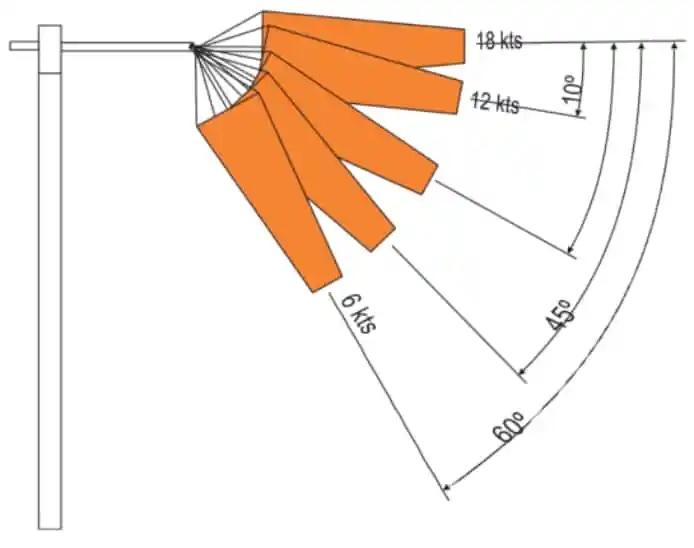
Approximate wind speeds can be determined based on Windsock position — using a standard 2m Windsock as the reference. The angle at which the Windsock extends from its Frame gives a visual indication of wind strength, ranging from light breezes through to strong gusts.
The Windsock and wind speed should be calibrated using an anemometer if more accuracy is desired.
Disclaimer
The information in this Post is general information ONLY in relation to the use of a Windsock to provide approximate wind speed indications.
Visual Reference
The diagram below illustrates approximate wind speeds based on Windsock position. Use this as a quick visual reference when observing your Windsock in the field.
Speed Range
A standard 2m Windsock indicates wind speeds from approximately 5 knots (light breeze, partial extension) through to 25 knots and above (fully extended, horizontal).
Placement Matters
The Windsock should be located in an open space without any obstructions nearby. Obstacles such as trees and buildings may affect the windsock operation and give a false indication of wind speed and direction.

Location Tips
✓ Choose an open space free from obstructions
✓ Avoid proximity to trees and buildings
✓ Obstacles can give false readings for both speed and direction
Improving Accuracy
An anemometer can be used to calibrate the Windsock in its desired location if more accuracy is required. A striped Windsock is sometimes preferred so that the position of the Windsock – and rough wind speed – can be determined at a further distance.

Variables Affecting Performance
The performance of the Windsock will vary in wet conditions, with different fabrics, lengths and if obstacles are present. Understanding these variables is essential for interpreting wind speed readings accurately.
Calibration Tips
✓ Use an anemometer for calibration at your specific location
✓ Striped Windsocks aid visibility from a distance
✓ Wet weather, fabric type and length all affect performance
Important Notice
Accuracy Disclaimer
Windsock wind speeds should be taken as a very rough indicator only as performance will vary in wetter conditions, with different size Windsocks, different fabric and nearby obstructions. Windsocks Australia does not accept any responsibility for the accuracy or otherwise of this information.
Further Reading
We are often asked for advice on what Windsocks are needed in particular locations. Our post on Wind Regions in Australia should help. You could also reference the Australia Standard.
For further advice Contact Us. Click to take a look at our Product Range.

Thank you so much for the quote and all the detail provided - really appreciate it!
— Health and Safety Coordinator, Mining Operation, Pilbara WA
Key Takeaways
2m
Standard Windsock reference size
5–25 kts
Readable wind speed range
4
Key variables affecting accuracy
Open
Location required for true readings
Striped
Best for long-distance visibility
Approx
Indicator only — calibrate for precision
Why Windsocks Australia?
- Australian Made & Owned — specialist manufacturer
- CASA, marine & hazardous area compliant range
- Premium fabrics — Sunbrella, WeatherMax & High Visibility Neon
- Stainless Steel hardware for harsh environments
- Proven track record across all major industries
About Windsocks Australia
Australia's leading manufacturer of industrial Windsock systems. Designed, engineered and assembled in Australia for the harshest environments — from offshore platforms to remote mining and LNG facilities.
windsocksaustralia.com.au | info@windsocksaustralia.com.au | +61 468 474 656
Need Expert Advice on Windsocks?
Contact our team for product selection, technical specifications and custom requirements.