How to Measure a Windsock: Fixed Frame vs. Bridle Harness
Whether you're replacing a worn Windsock or specifying a new installation, getting the measurements right is critical.
Topic
Windsock Measurement & Sizing
Applies To
Fixed Frame & Bridle Harness
Key Standard
CASA MOS Part 139
Hardware
Stainless Steel
Getting Started
There are two distinct mounting systems for Windsocks — Fixed Frame and Bridle Harness — and each has different measurement requirements. This guide explains both so you can order with confidence.
A Windsock that doesn't fit its Frame correctly simply won't perform — and in safety-critical environments like aerodromes, mines, and chemical plants, that's not acceptable.
Visual Reference
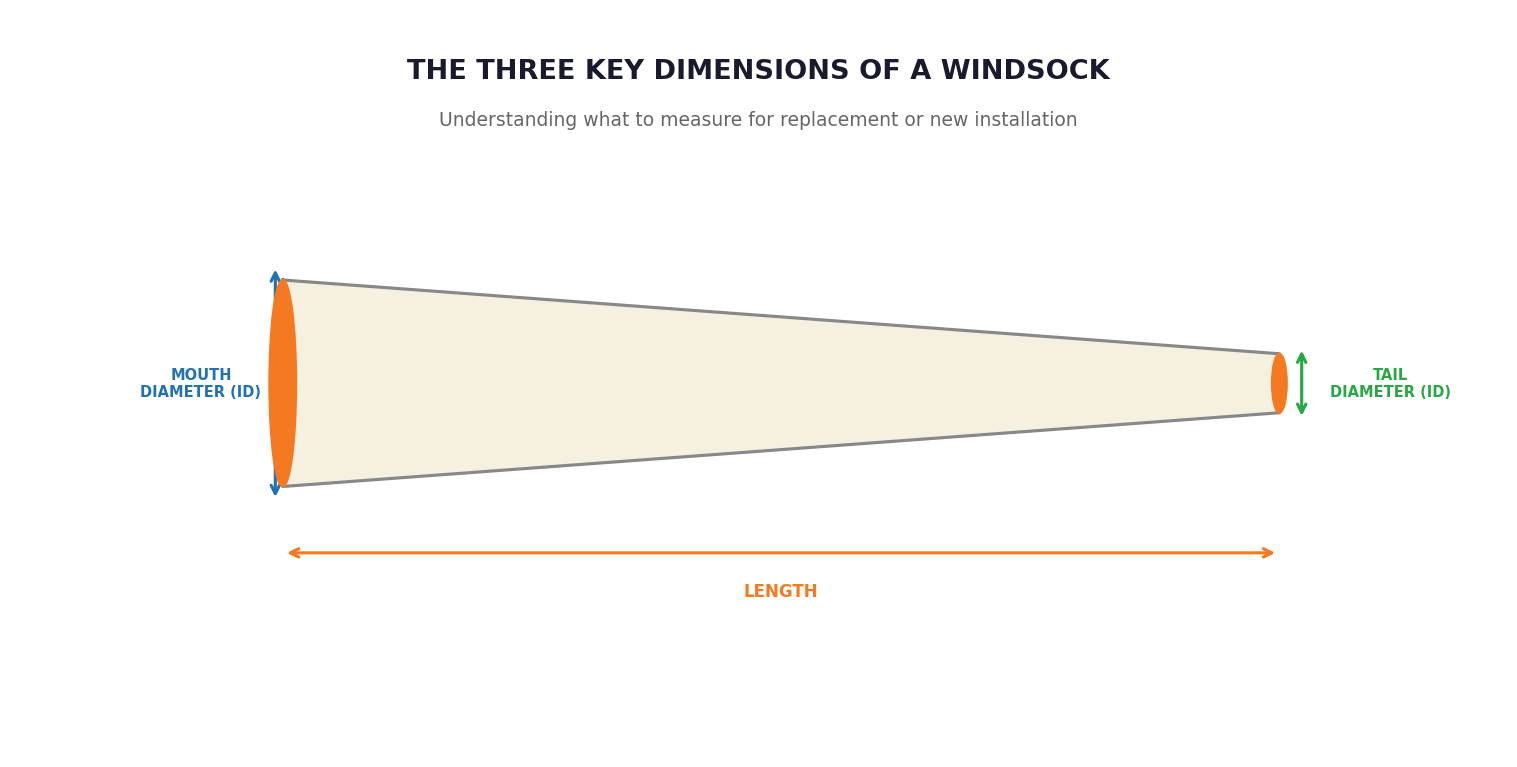
Every Windsock has three key dimensions you need to know. The diagram below illustrates the mouth diameter, tail diameter, and overall length:
Fixed Frame Windsocks
KEY REQUIREMENT
Precise fit required — Frame dimensions must match exactly. There is no adjustment mechanism.
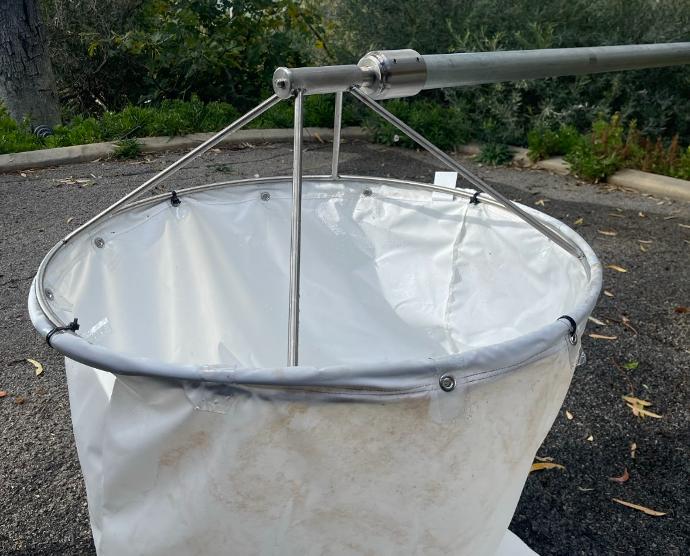
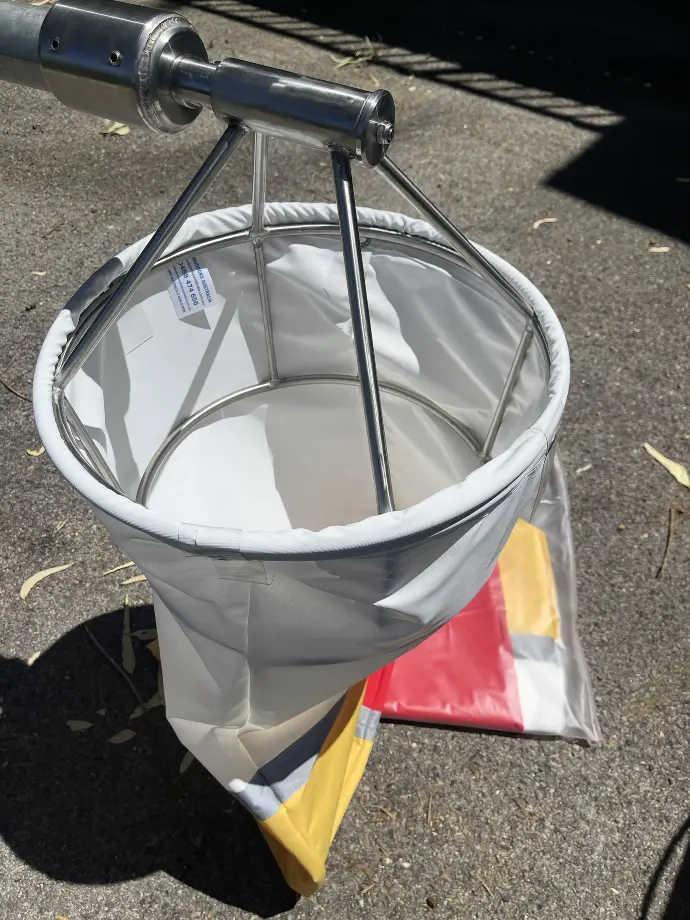
A Fixed Frame Windsock mounts directly onto a Stainless Steel Frame ring. The mouth of the Windsock is sewn to fit that ring precisely — there is no adjustment mechanism. If the Windsock diameter doesn't match the Frame, it won't seal correctly and will underperform or fail prematurely.


Frame Material Note
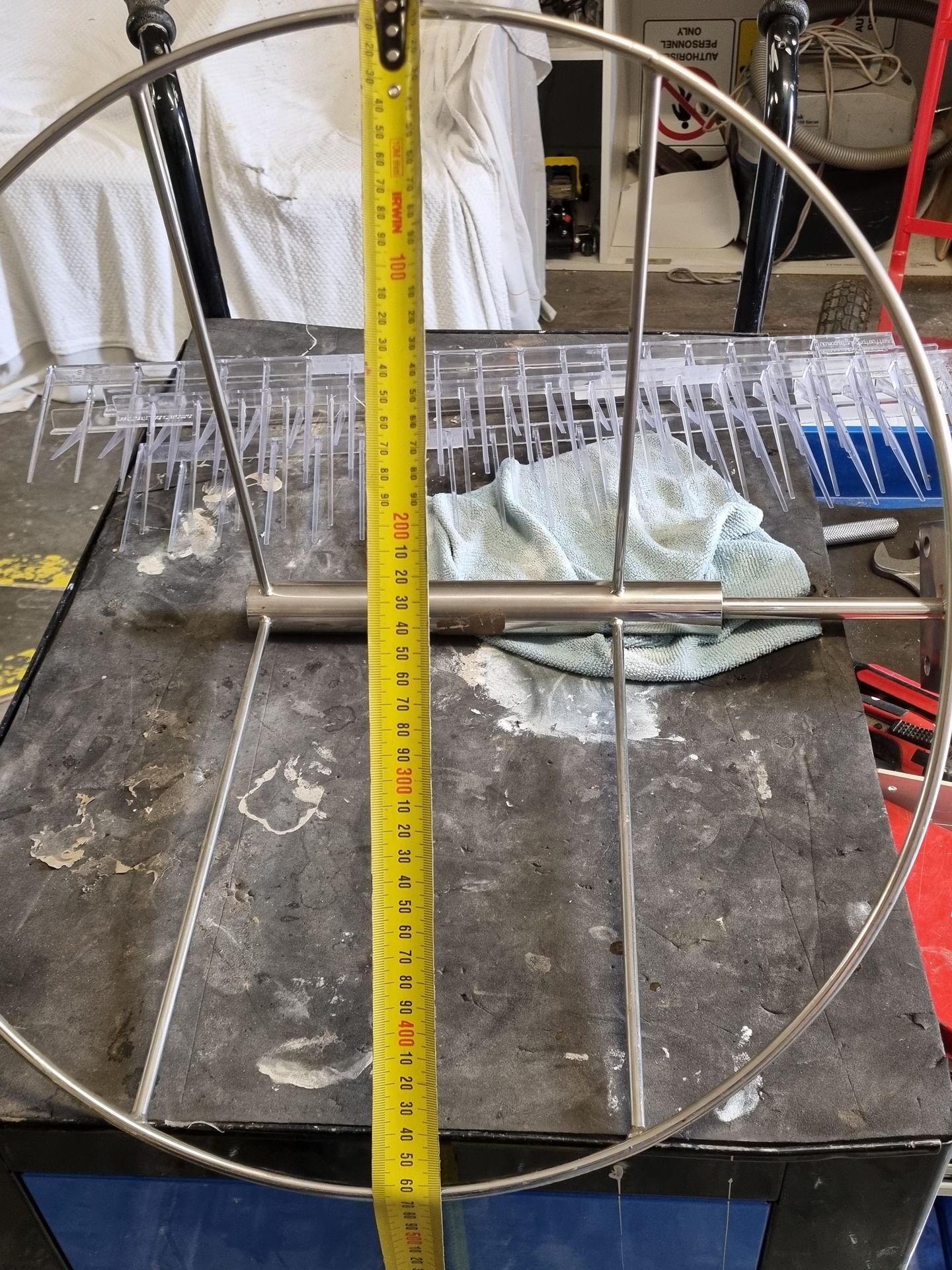
All Windsocks Australia Frames are manufactured from corrosion-resistant Stainless Steel with a swivel bearing to allow free rotation into the wind. The Windsock itself mounts to the static outer ring — make sure you measure the diameter of this ring, not the outer housing.
Measurement Diagrams
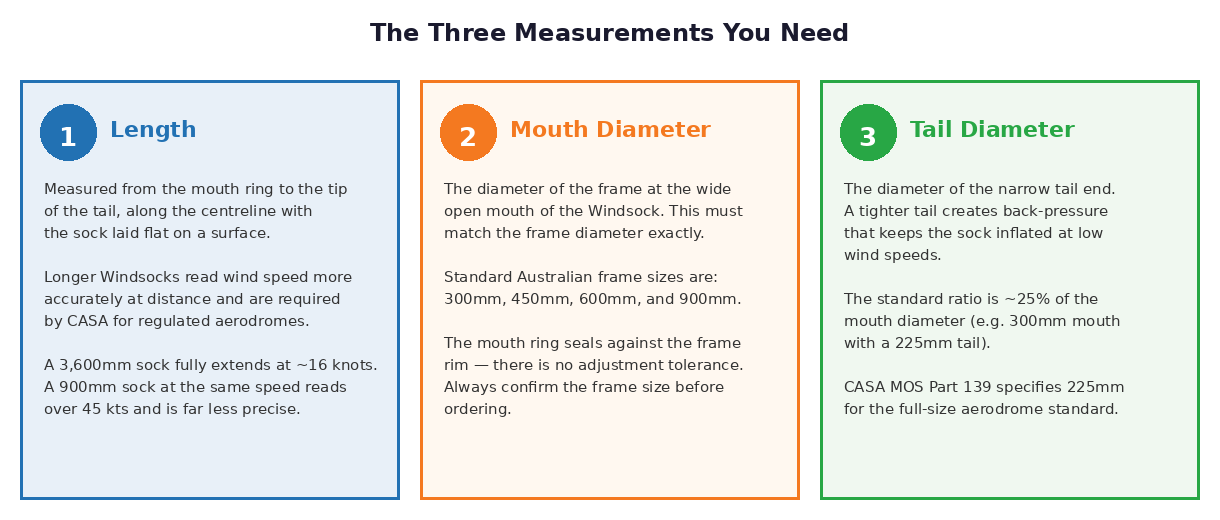
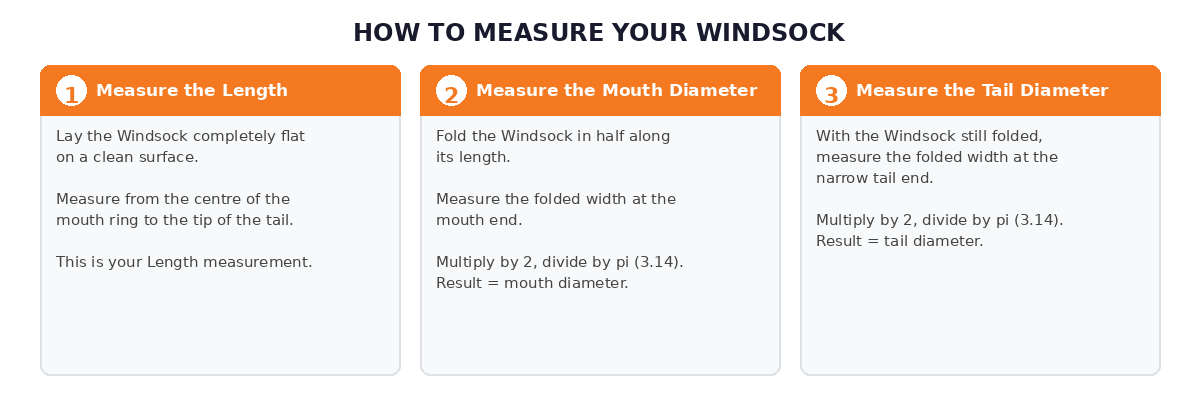
The following diagrams show the three measurements you need and a step-by-step guide to measuring your Windsock correctly:
MEASUREMENT TIP
If the mouth ring of a used Windsock has stretched or deformed, fold the Windsock flat and measure the folded width at the mouth end. Then apply this formula:
Diameter = folded width × 2 ÷ 3.14
A folded width of ~471mm gives a diameter of ~300mm. Aim to be within ±10mm of your Frame size — the closer to exact, the better the fit and seal.
CASA Standard Sizes
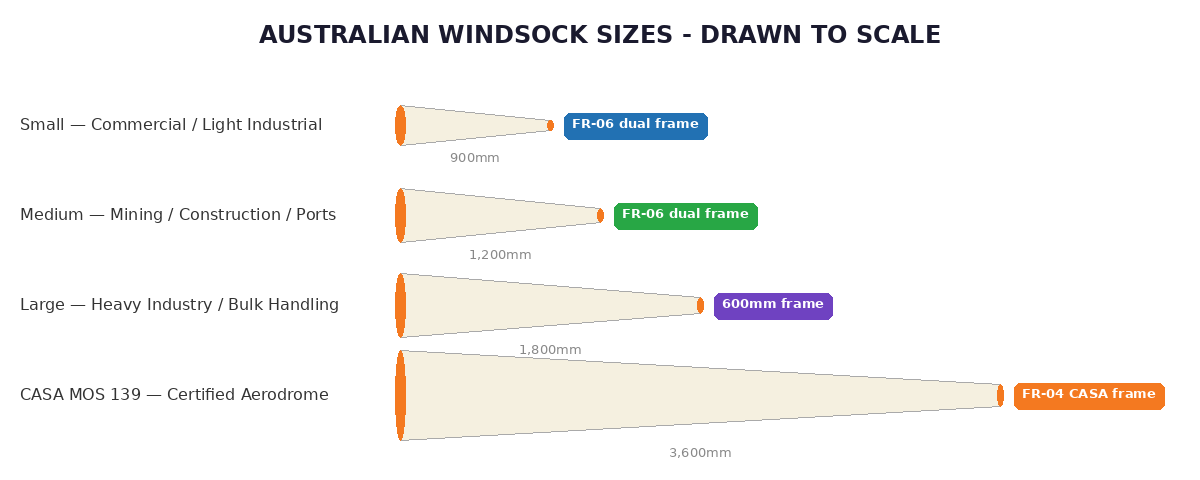
The Civil Aviation Safety Authority mandates specific Windsock dimensions under Manual of Standards (MOS) Part 139 — Aerodromes. Outside of regulated aerodromes, sizes are based on the intended viewing distance, prevailing wind speed range, and site-specific constraints. The table below covers the full Australian range:
| Application | Length | Mouth Dia. | Tail Dia. | Typical Frame |
|---|---|---|---|---|
| Small — commercial / light industrial | 900 mm | 300 mm | 150 mm | 300mm FR-06 ring |
| Medium — mining / construction / ports | 1,200 mm | 450 mm | 225 mm | FR-06 dual Frame |
| Large — heavy industry / bulk handling | 1,800 mm | 600 mm | 300 mm | 600mm single ring |
| Aerodrome landing site (HLS) | 2,400 mm | 600 mm | 300 mm | 600mm single ring |
| CASA MOS 139 — Certified Aerodrome | 3,600 mm | 900 mm | 225 mm | FR-04 CASA Frame |
Bridle Harness Mounting
KEY ADVANTAGE
Universal fit — no Frame dimensions to match. Just choose a size that suits your site.
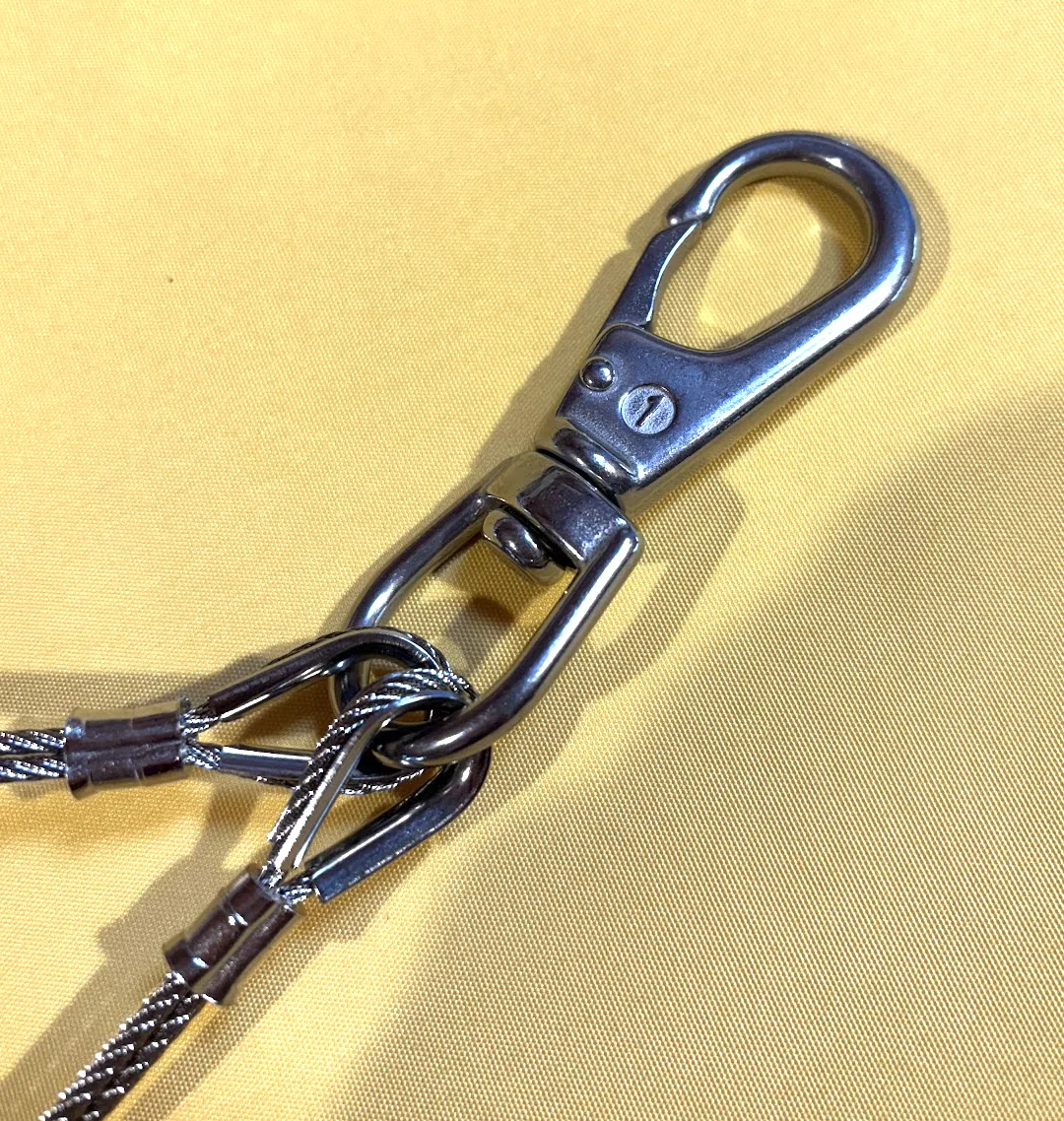
The RAP-02 Rotor Arm Pivot is a Pole-mounted swivel arm that allows a Windsock to be flown without a dedicated Frame. Instead of a rigid ring, the Windsock has a Bridle Harness — a set of evenly spaced Stainless Steel cord loops sewn around the inside of the mouth opening, that converge at a single hook point.
The hook at the end of the Rotor Arm clips directly onto the harness junction point, suspending the Windsock in mid-air with the mouth held open by the wind itself and the bridle tension. Because the clip point is universal, it physically doesn't matter what the mouth diameter is — a 300mm Windsock and a 600mm Windsock attach in exactly the same way.
This makes the Bridle Harness system ideal for temporary installations, locations where a Frame is impractical, or anywhere you need flexibility to swap Windsock sizes without changing hardware.

How a Bridle Harness Works
Step-by-Step: How It Works
MATERIAL NOTE
Our Bridle Harnesses are constructed from Stainless Steel cord, providing excellent strength and durability in outdoor, coastal, and industrial environments.
Bridle Harness Sizing Guide
Because the RAP-02 is a universal fit, sizing is based on the visual impact you need and the wind speeds at your site — not on Frame dimensions. The table below gives approximate guidelines:
| Windsock Size | Approx. Length | Approx. Mouth | Best For |
|---|---|---|---|
| Small | ~900 mm | ~300 mm | Compact sites, low Poles, close viewing |
| Medium | ~1,200 mm | ~450 mm | General industrial, worksites, depots |
| Large | ~1,800 mm | ~600 mm | Ports, open sites, high visibility needed |
Not Sure Which Size?
As a general rule: if you need the Windsock to be clearly readable from more than 50 metres, go with Medium or Large. For close-range applications (warehouse entrances, rooftop units, small depots), Small works well. Contact us if you'd like a recommendation for your specific site.
Key Takeaways
Choosing the right mounting system comes down to your installation requirements:
Quick Facts
2
Mounting Systems Covered
5
Standard Australian Sizes
MOS 139
CASA Aerodrome Standard
316 SS
Stainless Steel Hardware
900mm
Largest Frame Diameter
3,600mm
CASA Windsock Length
Why Windsocks Australia?
- Australian Made & Owned — specialist manufacturer
- CASA, marine & hazardous area compliant range
- Premium fabrics — Sunbrella, WeatherMax & High Visibility Neon
- Stainless Steel hardware for harsh environments
- Proven track record across all major industries
About Windsocks Australia
Australia's leading manufacturer of industrial Windsock systems. Designed, engineered and assembled in Australia for the harshest environments — from offshore platforms to remote mining and LNG facilities.
windsocksaustralia.com.au | info@windsocksaustralia.com.au | +61 468 474 656
Need Expert Advice on Windsocks?
Contact our team for product selection, technical specifications and custom requirements.