Where Are Windsocks Used? A Guide to Windsock Applications
From aviation and oil & gas to mining, marine and emergency services — Windsocks serve a critical safety function across an enormous range of industries.
Topic
Windsock Applications by Industry
Industries Covered
10+ Sectors
Key Standard
CASA MOS 139
Read Time
6 Minutes
Aviation Applications
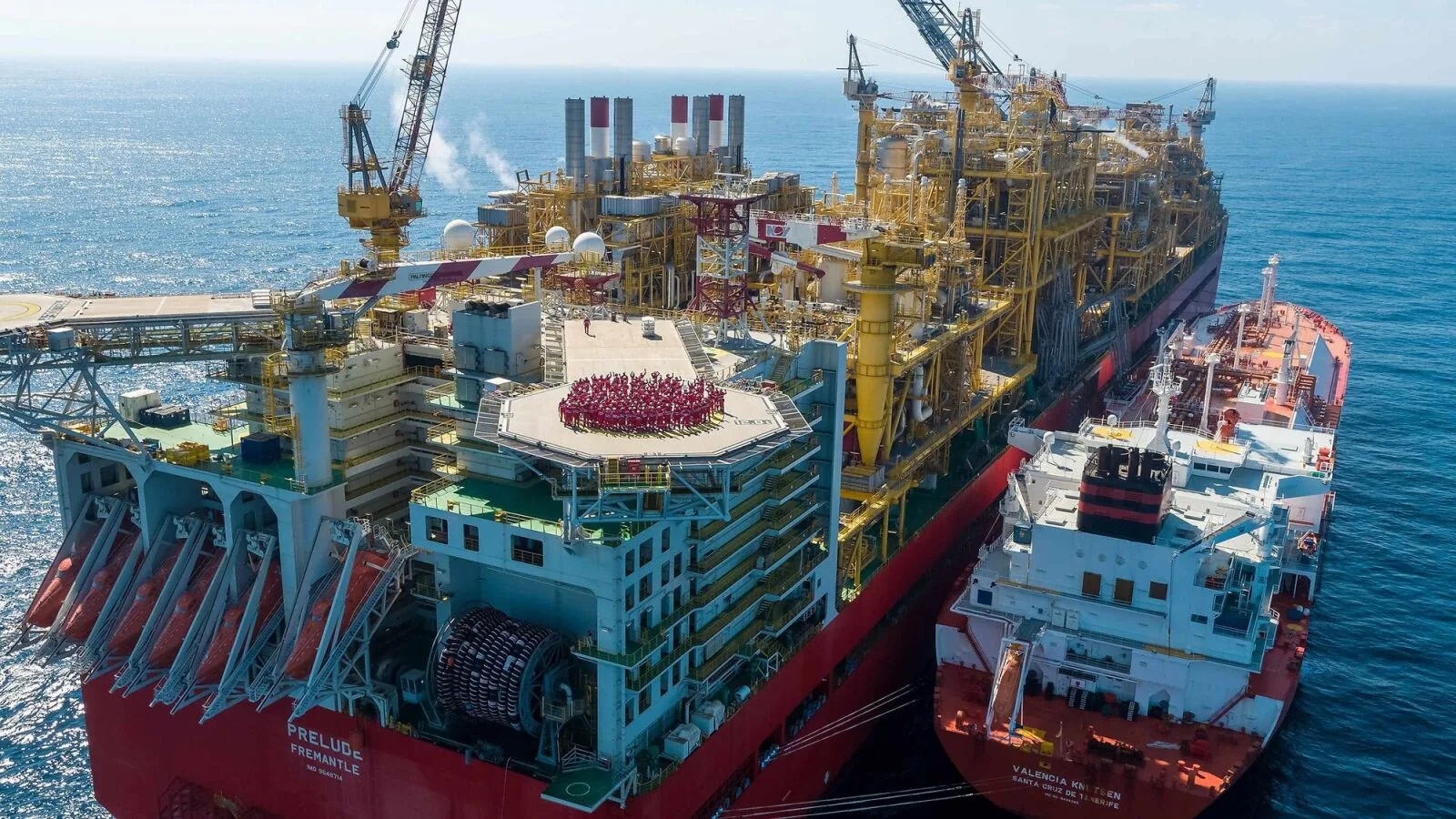
Aviation remains the highest-profile application. At controlled aerodromes, major airports, and remote airstrips alike, Windsocks give pilots an immediate visual reference for wind direction and relative strength before landing or taking off. Crosswinds are among the most common causes of runway excursions, and a clear, well-positioned Windsock provides the first line of situational awareness.
In Australia, CASA mandates specific Windsock dimensions (typically 3,650mm length x 900mm mouth diameter), orange colouring for daytime visibility, and correct placement clear of obstacles. Many remote aerodrome operators and helicopter landing sites (HLS) in the Northern Territory, Queensland, and Western Australia rely on our products to meet these requirements.
CASA Requirements
CASA-compliant Windsocks must be 3,650mm long with a 900mm mouth diameter, in orange colouring, and positioned clear of obstacles.
Oil and Gas — Hazardous Environments
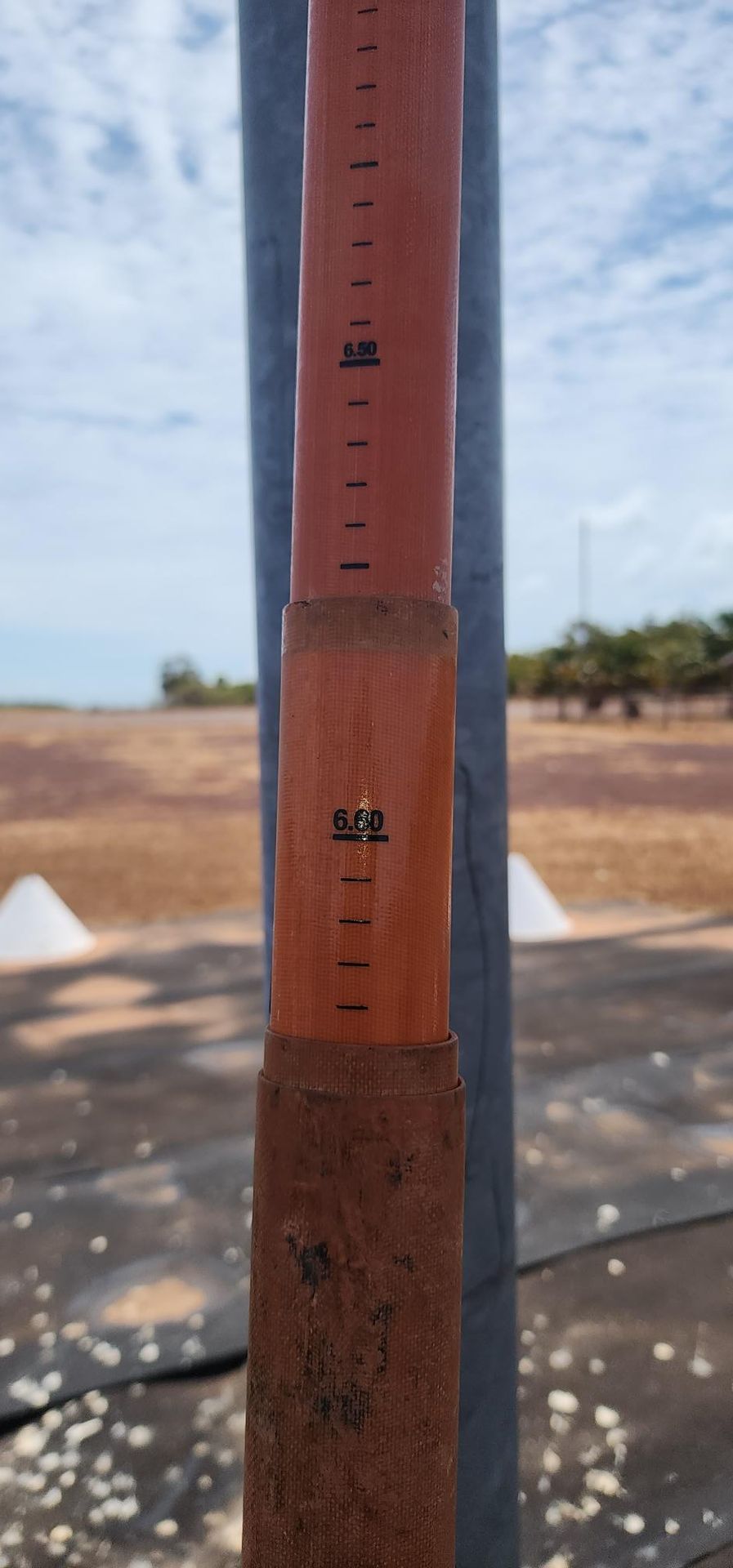
On offshore platforms, LNG facilities, and onshore refineries, wind direction is not just a matter of aircraft safety — it is a matter of life and death in the event of a gas release or chemical spill. Windsocks positioned at key points around a facility allow workers to immediately identify which direction a hazardous gas cloud is travelling, enabling safe muster and evacuation.
Our Anti-Static Oil and Gas Windsock range is specifically designed for these environments — constructed with anti-static fabrics and Stainless Steel hardware to eliminate ignition risk in areas where flammable gases may be present.
⚡ Anti-Static Design for Hazardous Zones
Our Oil and Gas Windsock range uses anti-static fabrics and Stainless Steel hardware to eliminate ignition risk — critical for offshore platforms, LNG plants, and refineries where flammable gases may be present.
Mining and Resources
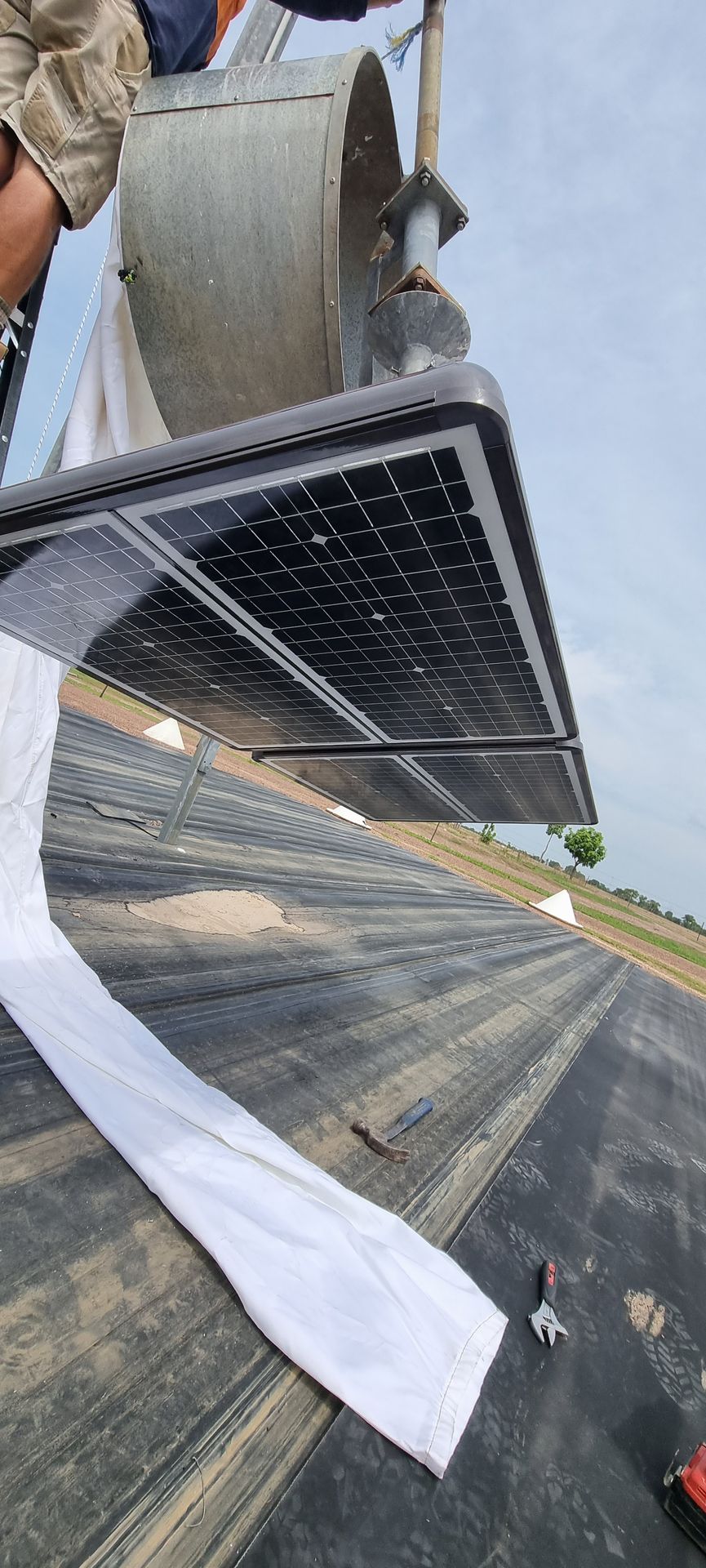
Australian mining operations — whether open cut iron ore in the Pilbara or underground gold in Kalgoorlie — generate dust, diesel exhaust, and in some cases hazardous chemical aerosols. Windsocks at pit edges, processing plants, and accommodation camps help site safety officers rapidly assess wind direction, plan blast schedules, and position workers safely during dust events.
Mining Applications
Windsocks at pit edges, processing plants, and accommodation camps help safety officers assess wind direction, plan blast schedules, and protect workers during dust events.
Water and Wastewater Treatment
Water treatment processes in Australia commonly use chlorine, lime, and other chemical reagents that can be hazardous if airborne. A lime dust cloud driven by a shift in wind direction can pose a significant risk to site workers. Windsocks at treatment plants provide a real-time, no-power-required indicator that guides safe movement around the site.
Construction and Infrastructure
Large construction sites — particularly those involving cranes, elevated platforms, or demolition work — require awareness of wind conditions for structural load calculations and safe operations. Many civil and building contractors include Windsocks in their site safety plans as a simple, reliable wind indicator that requires no maintenance or power.
Pastoral and Agricultural
Remote stations, mustering operations, and agricultural aviation (crop dusting and aerial seeding) all depend on Windsocks. Many outback stations maintain their own airstrips for Flying Doctor services and mustering aircraft, and a reliable Windsock is an essential part of that infrastructure. Our Heavy Duty Poles and UV-resistant Windsocks are built for the heat and isolation of outback Australia.
🌱 Built for the Outback
Our Heavy Duty Poles and UV-resistant Windsocks are specifically designed to withstand the heat, UV exposure, and isolation of outback Australia — perfect for remote stations and agricultural airstrips.
Marine and Offshore
Ports, marinas, and offshore supply vessels all benefit from visual wind indicators. In port environments where crane operations, bunkering, and passenger transfers take place, knowing the wind direction instantly and reliably improves operational safety. Marine-grade Stainless Steel hardware is essential in these salt-laden environments.
Hospital Helipads
Every hospital helipad in Australia requires a compliant Windsock. For retrieval pilots landing in confined, obstacle-rich environments — often at night and under pressure — a correctly positioned and illuminated Windsock (IWDI — Illuminated Wind Direction Indicator) is a mandatory safety requirement. Our IWDI range meets these specifications.
Mandatory Requirement
Every hospital helipad in Australia requires an Illuminated Wind Direction Indicator (IWDI) — a correctly positioned and illuminated Windsock for safe retrieval operations at night.
Fire Protection and Emergency Services
During bushfire suppression, aerial firefighting, and emergency response operations, wind direction can change the character of an operation within minutes. Windsocks at air bases, staging areas, and drop zones give pilots and ground crews instant situational awareness.
Choosing the Right Windsock
With so many diverse applications, selecting the right Windsock for your site depends on several key factors. Consider your environment, regulatory obligations, and the specific hazards present.
❝ "Excellent service — I received the goods this morning and appreciate your help in arranging express delivery."
— Procurement Officer, Engineering Firm, Western Australia
Key Takeaways
10+
Industries served across Australia
CASA
Compliant aviation Windsock range
316 SS
Marine-grade Stainless Steel hardware
3,650mm
CASA-mandated Windsock length
IWDI
Illuminated systems for hospital helipads
Anti-Static
Oil & Gas hazardous area range
Why Windsocks Australia?
- Australian Made & Owned — specialist manufacturer
- CASA, marine & hazardous area compliant range
- Premium fabrics — Sunbrella, WeatherMax & High Visibility Neon
- Stainless Steel hardware for harsh environments
- Proven track record across all major industries
About Windsocks Australia
Australia's leading manufacturer of industrial Windsock systems. Designed, engineered and assembled in Australia for the harshest environments — from offshore platforms to remote mining and LNG facilities.
windsocksaustralia.com.au | info@windsocksaustralia.com.au | +61 468 474 656
Need Expert Advice on Windsocks?
Contact our team for product selection, technical specifications and custom requirements.