Windsocks for Water and Wastewater Treatment Plants
Why wind direction awareness is safety-critical at treatment facilities across Australia
Topic
Chemical Hazard Safety
Applies To
Water & Wastewater Treatment
Key Hazards
Chlorine, Ammonia, Lime Dust
Inspection Interval
Every 3 Months
Chemical Risks
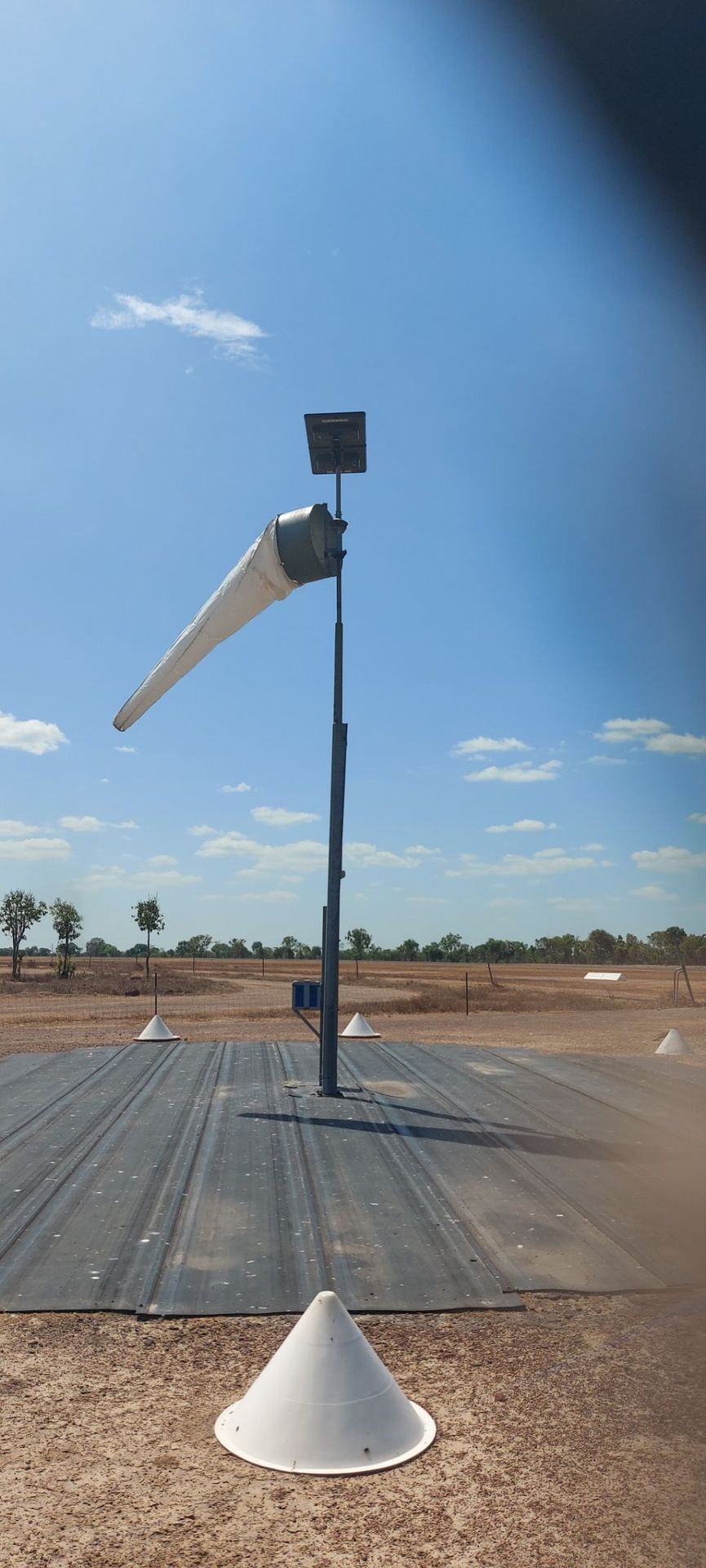
The treatment of drinking water and wastewater involves a range of chemical reagents that create genuine wind-dependent hazards. Understanding these chemicals — and how wind carries them — is the first step to keeping workers safe.
Key Safety Fact
All of these chemicals pose wind-dependent hazards — a Windsock gives workers instant, at-a-glance wind direction awareness without power, calibration, or training.
Emergency Response
In the event of an accidental release — a pipe failure, a storage tank overfill, or a dosing error — the wind direction at that precise moment determines where the hazard will travel. Workers who know the wind direction can move upwind, muster at the correct assembly point, and avoid unnecessary exposure.
Why Every Second Counts
During a chemical release, the wind direction at that precise moment determines where the hazard will travel. Workers who can see a Windsock can immediately move upwind and muster at the correct assembly point — no electronic instruments or training required.
Site Planning
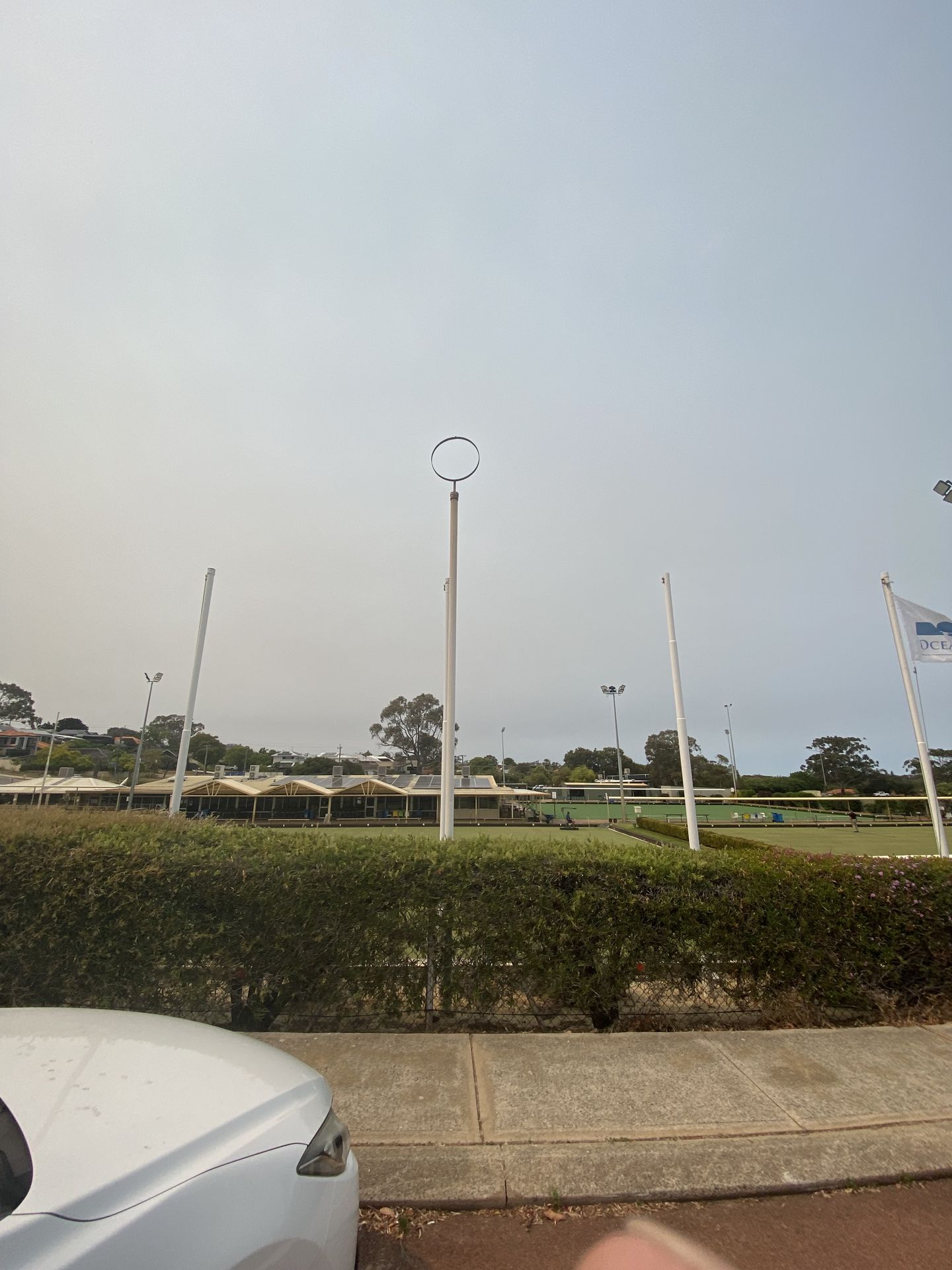
For most treatment facilities, a single Windsock positioned at a high, unobstructed point visible from the main operational areas is the minimum requirement. Larger plants with multiple chemical storage areas may benefit from multiple Windsocks. Key positioning considerations include:
Product Specifications
For most water treatment applications, our HD Commercial and Industrial Windsock range is the appropriate choice. These are manufactured from high-tenacity polyester with UV-stabilised orange colouring and are available in standard sizes from 900mm to 1,800mm mouth diameter.
Anti-Static Option for Chemical Exposure Sites
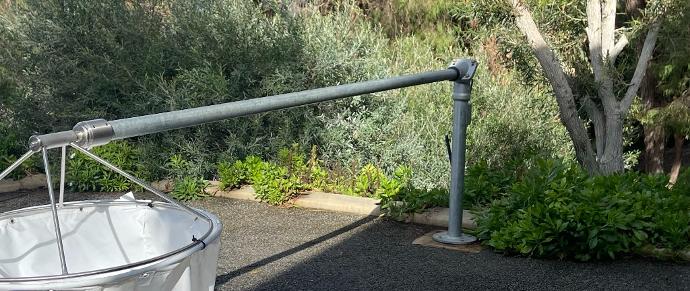
Where chemical exposure is a known risk — particularly at sites handling chlorine gas or other reactive agents — our Anti-Static Oil and Gas Windsock range may be more appropriate. This uses an anti-static fabric formulation and fully Stainless Steel hardware to minimise any risk of static discharge in areas where gas may accumulate.
Ongoing Care
Treatment plant environments can be hard on equipment. Chemical aerosols, moisture, and UV all accelerate degradation. We recommend inspecting Windsocks at treatment facilities every three months and replacing when any fading, tearing, or stiffening of the fabric is evident.
Our Stainless Steel Frames and lobster claw clips are specified for corrosion resistance in exactly these kinds of environments. If you are currently using cheaper zinc-plated or powder-coated hardware, upgrading to Stainless Steel will significantly extend the service life of your installation.
Maintenance Tip
Inspect every 3 months in chemical environments. Replace when fading, tearing, or stiffening is evident. Upgrade to Stainless Steel hardware for maximum corrosion resistance.
The Bottom Line
The capital cost of a quality Windsock installation is modest relative to the potential consequences of a chemical exposure incident. It requires no power, no calibration, and no training to read. For water and wastewater operators across Australia, it is one of the simplest and most cost-effective elements of a site safety plan.
If you would like advice on the right Windsock for your facility, our team in Perth is happy to assist. We supply to water utilities, councils, and contract operators throughout Australia.
Key Takeaways
3 Months
Recommended inspection interval
900–1800mm
Mouth diameter range available
No Power
Required to operate
5+
Wind-dependent chemical hazards at treatment plants
360°
Clear surroundings required
20+ Yrs
Industry experience
Why Windsocks Australia?
- Australian Made & Owned — specialist manufacturer
- CASA, marine & hazardous area compliant range
- Premium fabrics — Sunbrella, WeatherMax & High Visibility Neon
- Stainless Steel hardware for harsh environments
- Proven track record across all major industries
About Windsocks Australia
Australia's leading manufacturer of industrial Windsock systems. Designed, engineered and assembled in Australia for the harshest environments — from offshore platforms to remote mining and LNG facilities.
windsocksaustralia.com.au | info@windsocksaustralia.com.au | +61 468 474 656
Need Expert Advice on Windsocks?
Contact our team for product selection, technical specifications and custom requirements.